
Imaging platform
An anesthesia and immobilization system for long-duration vascular imaging — stable enough for a one-micron focus volume, low enough for the objective, cheap enough to become the lab standard.
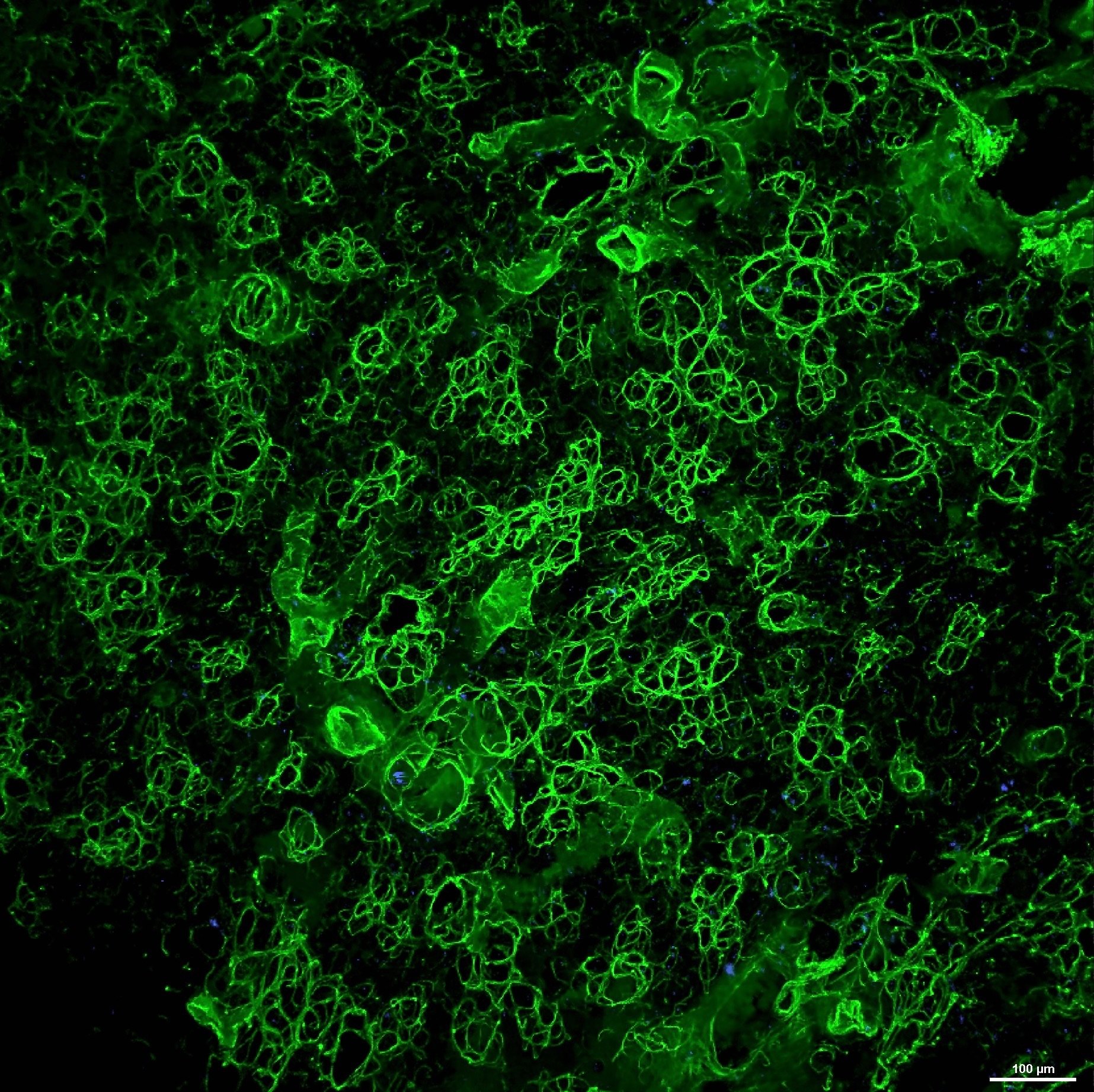
Overview
The experiments needed hours of stable imaging: anesthesia delivery, a quiet imaging plane, and optical clearance for high-NA objectives. Existing stereotaxic systems were overbuilt, tall, and expensive.
The microscope’s useful volume in Z is about a micron. A little thermal drift and the image is gone.
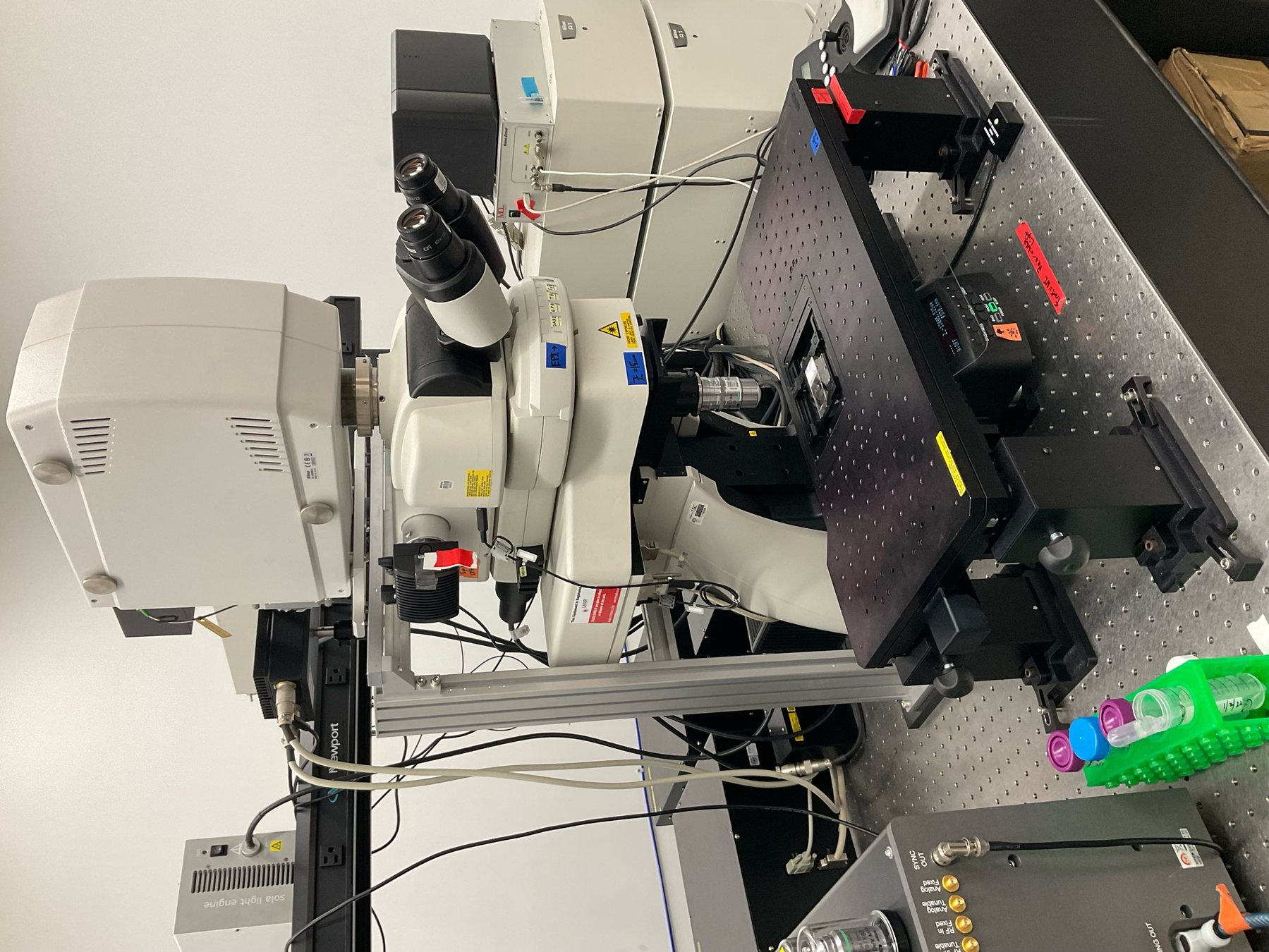
Constraints
- Recirculate anesthesia with minimal operator exposure.
- Keep the vertical stack short so the objective can reach.
- Move quickly between prep and imaging without losing alignment.
- Iterate fast enough for experiments that were already on the calendar.
Approach
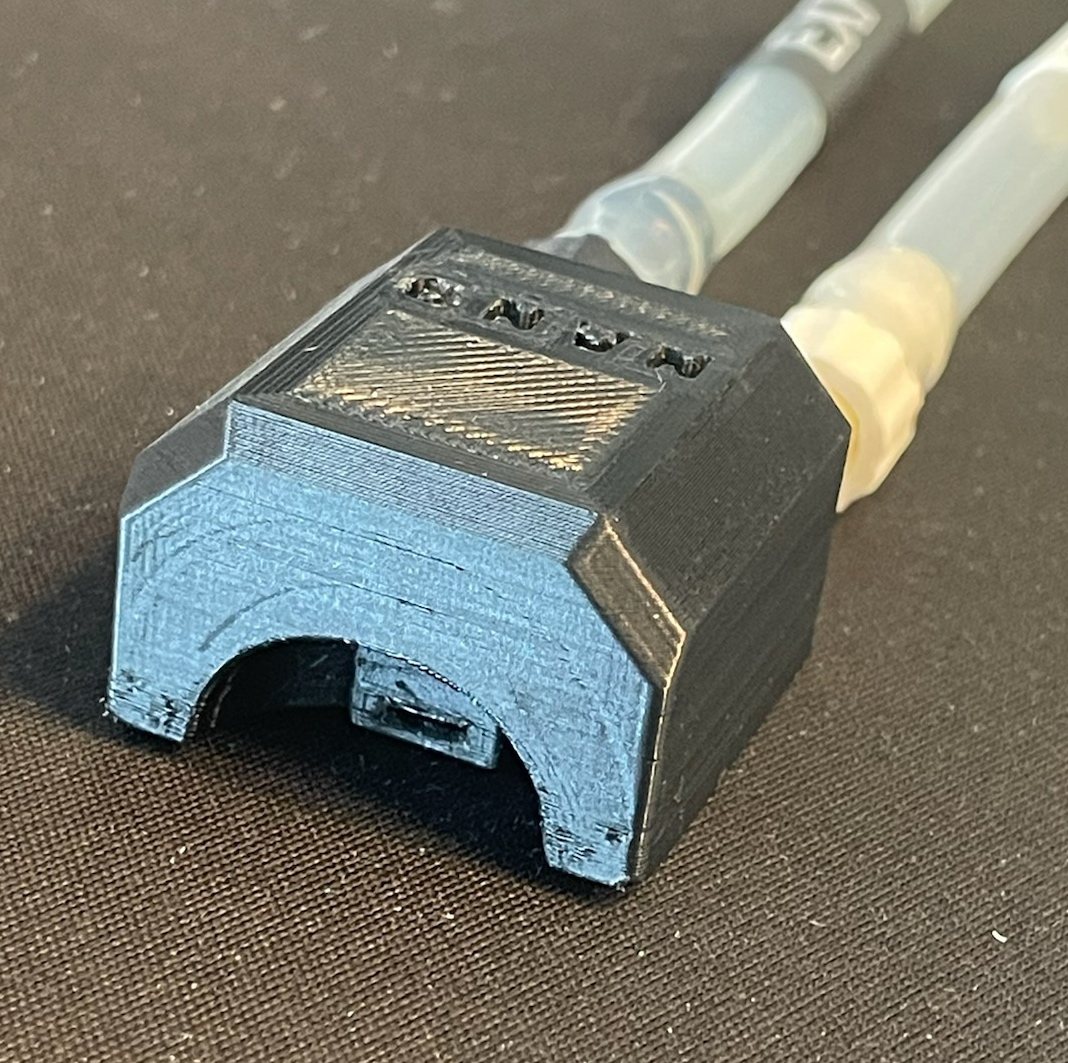
First pass: a low-profile nose cone in SolidWorks, airflow checked in CFD so evacuation stayed clean, and an elevated imaging plate with a custom ear slit for a flat, repeatable plane.
Second pass: the friction-fit recess sat the cone in the wrong place for delivery. The cone was revised to take an internal magnet and lock to a metal plate instead.
Outcome
The commercial stack came off the table. Throughput went up. The platform became the lab standard and supported three published studies.